

Search intent
Priority URL map with intent, business role, current issue, recommended action, and owner
 barshad.
As an organic SEO specialist, I connect search intent with useful page content, clear headings and internal links. My on-page SEO services cover page priorities, copy recommendations and implementation review, so visitors understand your offer and know what to do next.
Give every page a purpose.
For businesses with established pages, search impressions, and an offer that already sells—but inconsistent organic enquiries. Especially useful when rankings stall, the wrong page appears for a query, or several pages compete for the same customer need.
Priority URL map with intent, business role, current issue, recommended action, and owner
Page briefs or agreed copy edits covering titles, headings, proof, objections, and calls to action
Internal-link recommendations with source URLs, destinations, and contextual placement
Implementation checklist and a review of affected pages, queries, and relevant conversions
Choose an area to see the work and the deliverable you receive.
Review query-to-page performance and the current search results to separate intent mismatch, content gaps, and competing URLs. Decide whether each priority page should be improved, differentiated, or consolidated.
Practical accounting support, clear advice, and a straightforward way to discuss your business.
Rewrite or brief titles, headings, introductions, and decision-making content around a defined audience. Bring forward relevant proof, eligibility, service scope, pricing context where appropriate, and objections that delay an enquiry.
Map contextual internal links from supporting articles and relevant commercial pages. Review anchor wording and the visitor journey so important pages are discoverable and the next action fits the visitor’s stage.
Record the agreed edits, check the live implementation, and compare the affected query and page groups against the baseline. Separate observed changes from seasonality, demand shifts, and other site work.
Drag the handle to compare a common starting point with the intended direction. An illustration of the approach, not a promised result.
Priority URL map with intent, business role, current issue, recommended action, and owner
Page briefs or agreed copy edits covering titles, headings, proof, objections, and calls to action
Internal-link recommendations with source URLs, destinations, and contextual placement
Implementation checklist and a review of affected pages, queries, and relevant conversions
Review non-brand query relevance, page-level impressions and clicks, organic landing-page engagement, and qualified enquiries where tracking allows. We define the page cohort and baseline first; a higher click-through rate alone is not evidence of more revenue.
Agree the URL count, page types, markets, copy depth, approval rounds, and implementation owner. A template change affecting hundreds of pages is a different engagement from editing ten service pages. Full design rebuilds and development are separately scoped.
A page with weak traffic does not automatically need more words. I first establish whether it answers the wrong intent, lacks a persuasive offer, competes with another URL, or cannot be properly discovered. That decision determines whether the budget goes into copy, consolidation, links, or technical work.
 Barshad SitoulaSEO specialist & digital marketer
A service page receives impressions for informational questions but few relevant enquiries.
Separate educational questions from the buying decision; improve the commercial page and map supporting information to appropriate destinations.
Check the query mix and qualified actions for the affected pages after implementation.
Understand your business, audience, current performance and constraints.
Agree the opportunities, deliverables and order of work.
Deliver the recommendations and coordinate the changes.
Read the evidence, explain what changed and plan the next step.
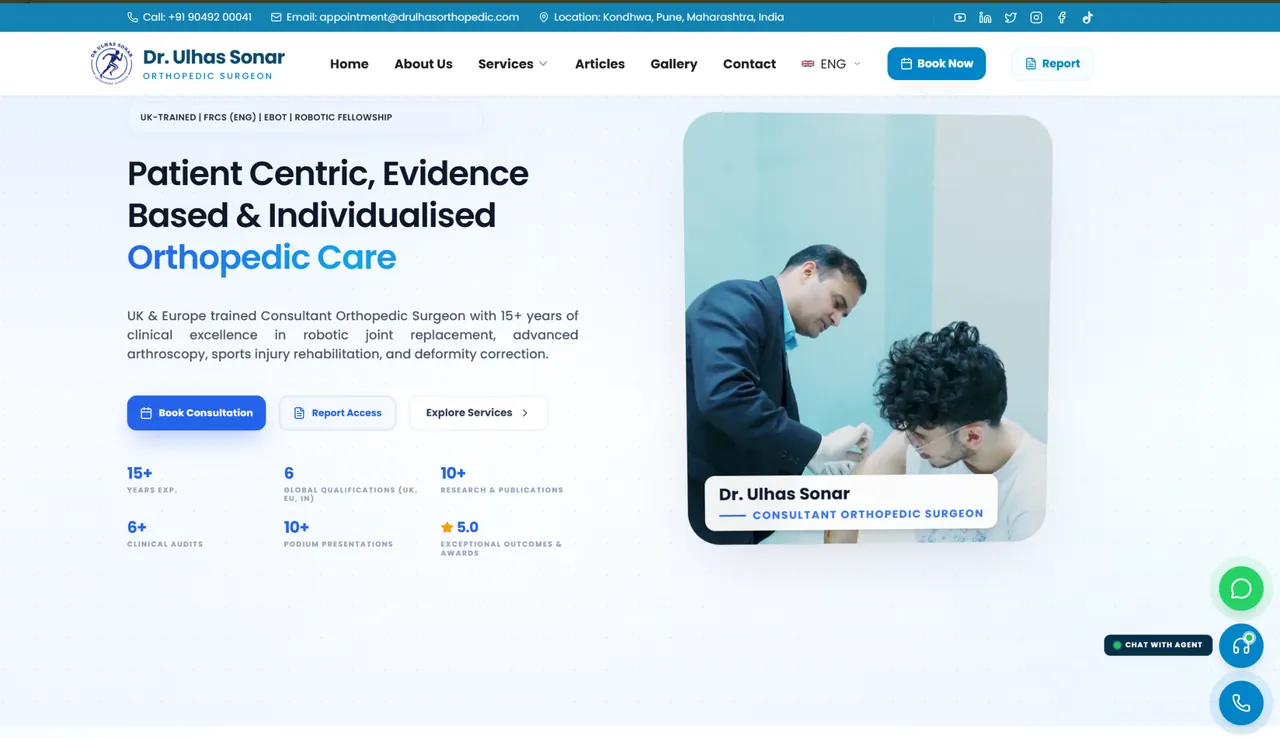 Healthcare · Dr. Ulhas Orthopedic
An orthopedic practice needed treatment pages that patients could find, understand and trust before booking a consultation.
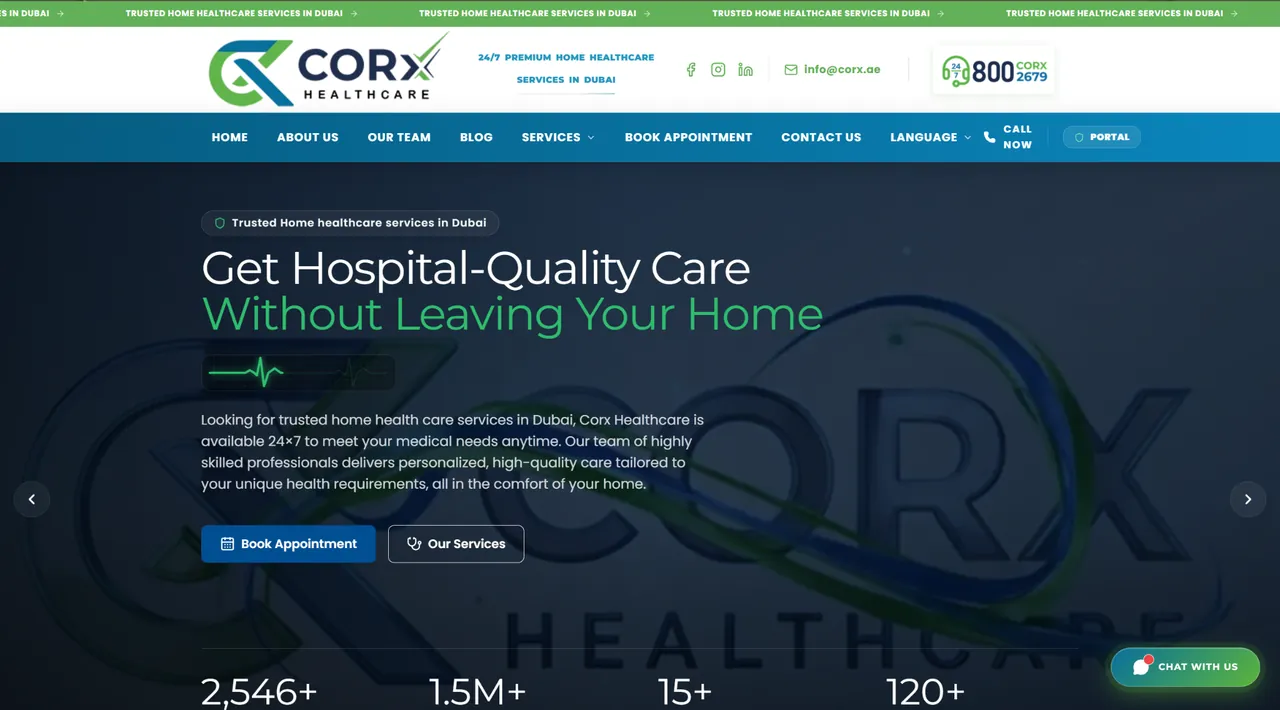 Healthcare · Corx Healthcare
A Dubai home-healthcare provider needed its doctor-visit, nursing and IV therapy services to be found by people searching at the moment of need, often…
Short answers to the questions clients ask most about on-page seo.
Ask about your projectEither can be scoped. The proposal specifies which pages receive a brief, targeted edits, or a full rewrite, who supplies business evidence, and how many approval rounds are included.
No. The depth depends on the decision the reader needs to make. I use query evidence and page purpose to guide coverage, not a fixed density target or word-count formula.
Tell me about your website, your market and the result you want. You’ll get a clear view of what to fix first.