

Discovery baseline
Defined question and platform sample with an observation baseline
 barshad.
My generative engine optimisation work reviews how clearly your website explains your business, expertise and supporting evidence. GEO services combine established SEO foundations with checks of accessible content and observed AI answers, without promising citations or placement.
Make your expertise easier to find.
For established businesses with a differentiated offer, subject-matter expertise, and buyers who research complex decisions. Suitable for teams that want a measured AI-search programme rather than a promise to appear in every generated answer.
Defined question and platform sample with an observation baseline
Brand information, source evidence, and technical-readiness gap review
Prioritised content and authority recommendations with owners
Repeatable reporting framework separating visibility observations from business outcomes
Choose an area to see the work and the deliverable you receive.
Define a representative set of buying questions, markets, and platforms. Record observed brand mentions, cited sources, dates, and context to create a repeatable baseline—not a universal AI visibility score.
When buyers use AI-assisted search to compare options, your business needs accurate, accessible information that stands up to scrutiny. I review how your brand and priority topics are represented, identify evidence gaps, and build a practical improvement plan grounded in SEO.
Review crawl and index eligibility, important brand and product information, author or business identity, and the sources that support commercial claims. Identify inaccurate, inconsistent, or difficult-to-find information.
Prioritise improvements to useful comparison content, expert explanations, original evidence, and relevant external references. Coordinate with your content, product, and communications teams so claims remain accurate.
Repeat the agreed observations and review identifiable referral traffic and qualified actions where available. Separate mentions, citations, visits, and conversions, and document the limits of each dataset.
Drag the handle to compare a common starting point with the intended direction. An illustration of the approach, not a promised result.
Defined question and platform sample with an observation baseline
Brand information, source evidence, and technical-readiness gap review
Prioritised content and authority recommendations with owners
Repeatable reporting framework separating visibility observations from business outcomes
Track the agreed sample of mentions and citations, source accuracy, relevant referral sessions where identifiable, and downstream actions where measurable. Generated answers vary by platform, context, and time; observed coverage is not a census of all answers or proof of revenue impact.
Define platforms, markets, question sample, observation cadence, access, and implementation responsibilities. Monitoring subscriptions, original research, content production, and digital PR may require separate scope. Google AI features still rely on SEO foundations; no special AI file guarantees eligibility.
A missing brand mention does not reveal one simple ranking factor. I compare the question, the sources used, your actual offer, and the available evidence before recommending work. The useful output is a defensible set of priorities, not a claim that a prompt test proves how an entire platform behaves.
 Barshad SitoulaSEO specialist & digital marketer
AI-assisted comparisons describe a company inconsistently and rely on outdated product details.
Audit the source information, correct owned facts, and improve the evidence on priority product and comparison pages.
Repeat the defined observation set and review accuracy, citations, and identifiable referrals without assuming causality.
Understand your business, audience, current performance and constraints.
Agree the opportunities, deliverables and order of work.
Deliver the recommendations and coordinate the changes.
Read the evidence, explain what changed and plan the next step.
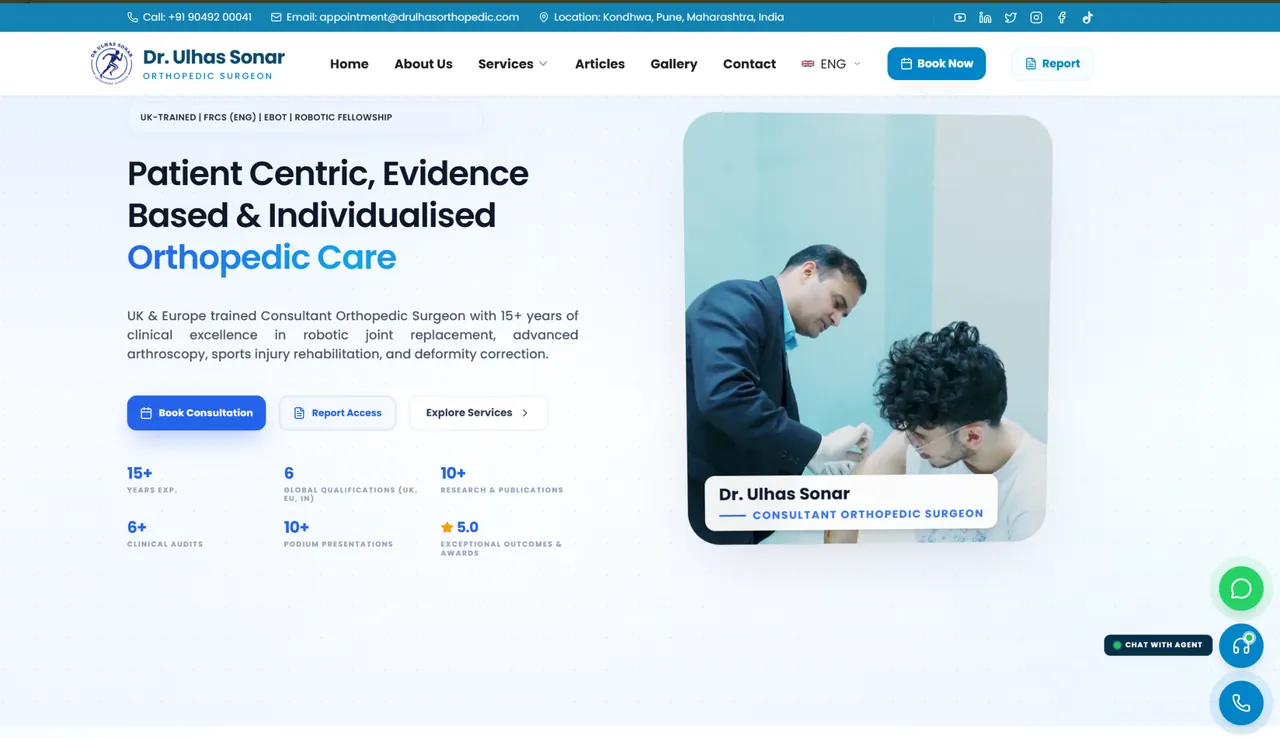 Healthcare · Dr. Ulhas Orthopedic
An orthopedic practice needed treatment pages that patients could find, understand and trust before booking a consultation.
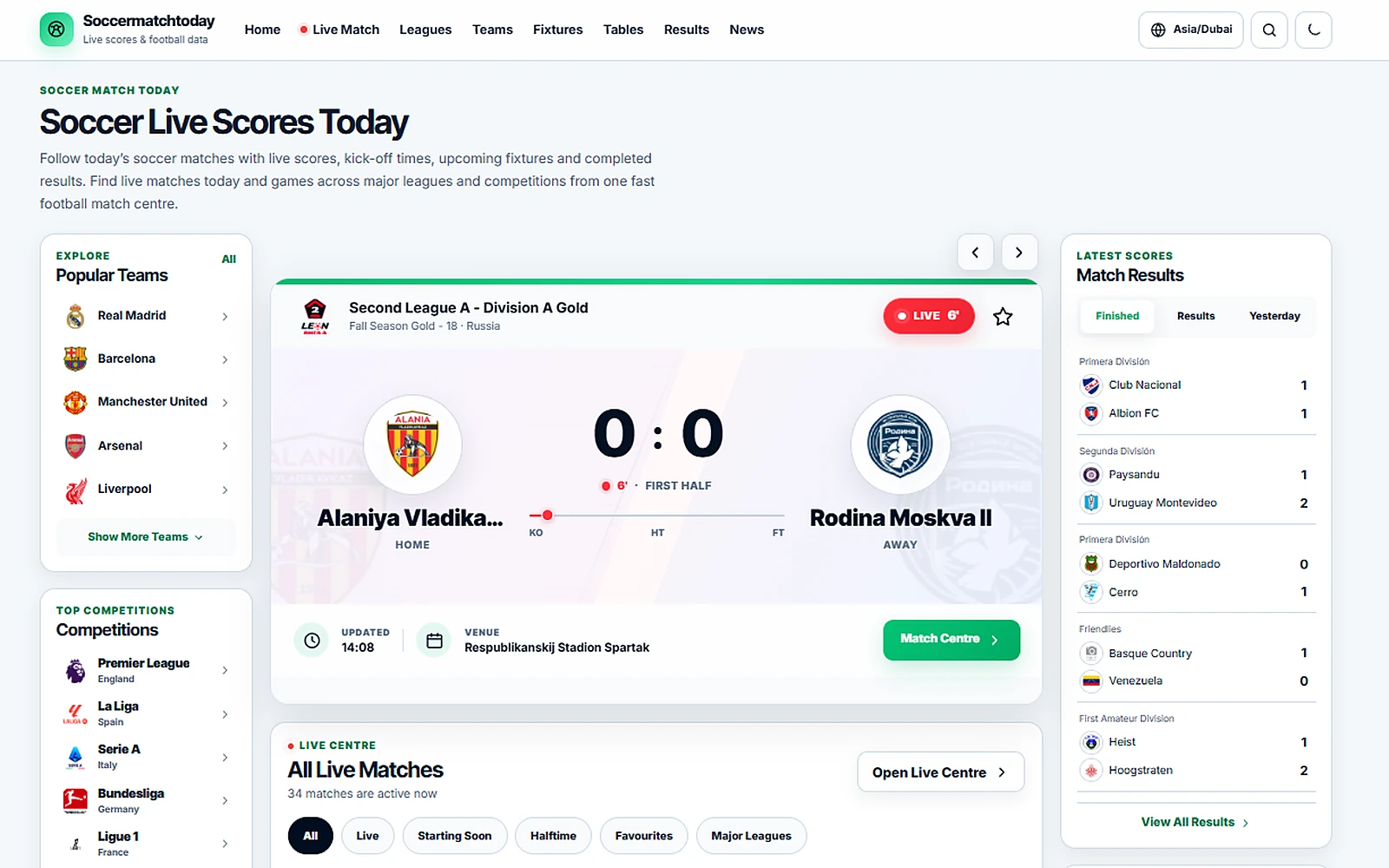 Sports media · SoccerMatchToday (personal project)
I built a WordPress live-football platform with permanent match URLs, on-demand history and safeguards that keep the last successful score when a refresh fails.…
Short answers to the questions clients ask most about geo services.
Ask about your projectGEO covers the broader discovery picture: brand representation, source evidence, technical readiness, and observations across an agreed AI-search sample. AEO focuses more narrowly on making specific buyer questions well answered on your site. The work can overlap and is scoped together to avoid duplicate effort.
No. Platforms select and generate their own responses. I can improve the quality and accessibility of your information and report observed changes, but I cannot guarantee selection, wording, citation frequency, or placement.
No. It builds on useful content, a discoverable website, and credible business information. For Google AI search, conventional SEO remains foundational.
A documented baseline, a review of information and evidence gaps, and a prioritised plan with implementation owners. We agree the observation sample and reporting limits before treating changes as meaningful.
Look for a clear explanation of the work, access to the evidence behind findings and realistic limits on measurement. Ask how recommendations connect to technical SEO and useful content. A credible specialist should explain uncertainty rather than promise a position in an AI answer.
Tell me about your website, your market and the result you want. You’ll get a clear view of what to fix first.